SELAB 2026: Abidjan wants to make livestock a driving force
Translated from French (automatic translation) · Read the original article (French)
Prime Minister Robert Beugré Mambé opened the 5th Livestock Summit in Abidjan on Friday. Stated objective: reduce an import bill of more than 200 billion FCFA and create jobs for young people.
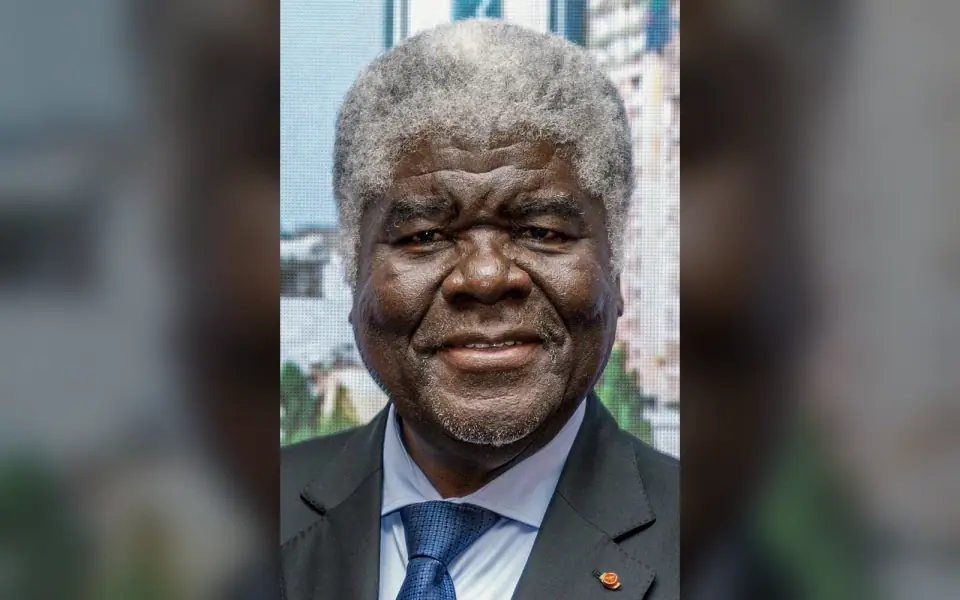
Ivory Coast wants to produce more meat, milk, eggs and fish at home. This is the message carried by Prime Minister Robert Beugré Mambé, who opened this Friday, November 20, the 5th edition of the Abidjan Livestock Summit (SELAB 2026), at the Palais des sports in Treichville. The event is being held until Sunday, alongside a high-level forum dedicated to private investments in the animal economy.
“Côte d’Ivoire thinks big”
According to the Xinhua agency, the head of government called on players in the sector to draw inspiration from major breeding countries, notably the United States, guests of honor for this edition, as well as South Africa and Botswana, invited countries. The ambition: to make the country a regional hub for the production and processing of animal and fisheries resources.
“Côte d'Ivoire is thinking big and is determined to succeed in making the animal sector a dynamic sector, providing jobs for young people,” he declared. According to him, animal, fishery and protein production resources represent a potential of more than 600 billion CFA francs per year. The government intends to support national champions, strengthen industrial partnerships and promote economic models adapted to Ivorian realities.
A key sector, but still too dependent
The Minister of Animal and Fisheries Resources, Sidi Tiémoko Touré, gave an overview of the project. Livestock farming represents 8.3% of agricultural GDP and supports more than 700,000 direct jobs and 2.3 million indirect jobs. It contributes to food security, the fight against poverty and job creation.
But the country remains very dependent on the outside. In 2024, the bill for imports of food products of animal origin will exceed 200 billion FCFA, regretted the minister, who calls for strengthening investments to develop each sector to its potential. “I therefore invite national and international investors to support these ambitions, because the opportunities are numerous,” he said.
Souveraineté alimentaire in the crosshairs
The theme chosen this year sums up the issue: “Animal economy: lever of wealth and food sovereignty”. With the forum dedicated to private investments organized in parallel, these three days in Treichville must serve as a meeting point between sector players and the investors that the government seeks to attract.
Behind the figures, the issue is very concrete for households: to produce locally what ends up on the plates, from chicken to fish, and to keep the value and jobs that are leaving today with imports.
Sources
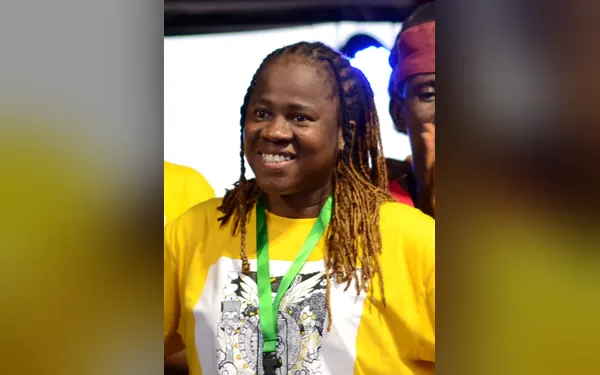
Photo: Robert Beugré Mambé in Abidjan in 2025. UN Trade and Development (UNCTAD), license CC BY-SA 2.0, via Wikimedia Commons.jpg). Cropped image, extended background.
Enjoyed this article? Share it and follow Le Média 100filtre on social media.
Spotted an error? Write to the newsroom.